
Every two minutes, a woman somewhere in the world dies from pregnancy or childbirth. Most of those deaths are preventable. In a year when global health is being asked to do more with less, one of the clearest answers to that crisis didn’t come from a new fund or a new framework. It came from women in power.
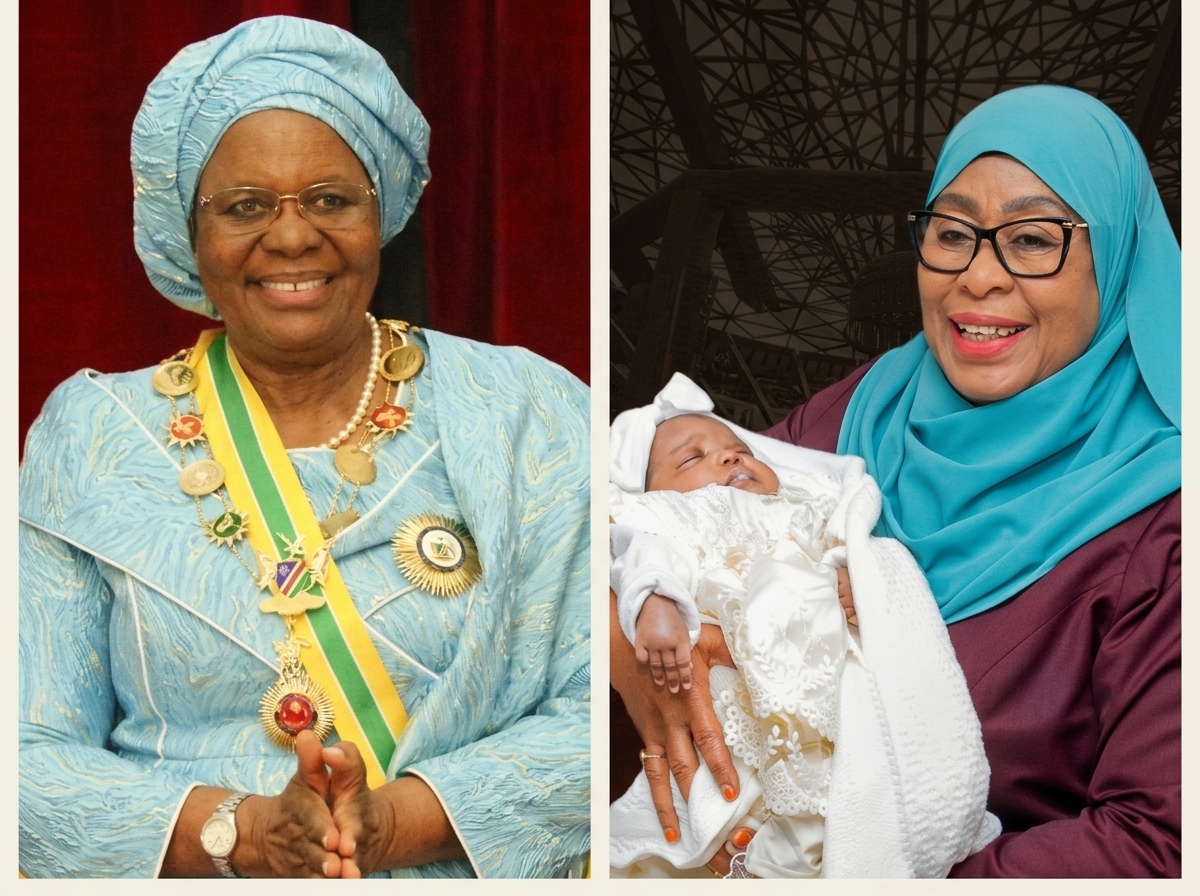
On September 24, on the sidelines of the 81st United Nations General Assembly in New York, a meeting under the SHE RISES: Advocacy for a New Era —The Women Leading Maternal and Child Health for All placed the leadership of two African women presidents, H.E. Dr. Samia Suluhu Hassan, Tanzania’s first woman President and the African Union Champion for Maternal and Child Health, represented in New York by Vice President H.E. Deogratius John Ndejembi and Namibia’s President, H.E. Dr. Netumbo Nandi-Ndaitwah, who joined in person, at the centre of the global stage.
Co-hosted by the UN Permanent Missions of the United Republic of Tanzania, the State of Qatar, the Kingdom of Saudi Arabia, the Republic of Indonesia, and The Access Challenge, the September 24 gathering united countries, institutions, and partners from around the world on a shared conviction, which is that, the survival and well-being of mothers and children must be a priority at the highest levels of leadership.
Around 260,000 women died from pregnancy and childbirth in 2023, more than 90% of them in low- and lower-middle-income countries. Those numbers can feel immovable but Tanzania have shown that they are not.
Delivering investments in emergency obstetric and newborn care, stronger referral systems, health workers, and initiatives such as m-mama, which helps women reach care when an obstetric emergency strikes, the Tanzanian president has championed policies that have led to a significant drop in the country’s maternal mortality ratio from 556 deaths per 100,000 live births in 2015–16 to 104 in 2022, a reduction of approximately 81%. Over the same period, skilled birth attendance rose from 66% to 85%.
According to President Samia, “Maternal and child survival is a health agenda, but it is also an economic agenda and fundamentally, a sovereignty agenda. When a mother survives, a family is held together, a community grows stronger, and a nation moves forward. That is why Africa must invest in its own health systems, so that the survival of our mothers and children is never left to chance or to the priorities of others”.
Her commitment predates her presidency. In November 2018, as Vice President, she helped launch the national Jiongeze Tuwavushe Salama campaign for maternal and newborn survival, which laid the foundation for Tanzania’s rapid progress on maternal and child health thereafter. In February 2025, the Gates Foundation presented her with the Global Goalkeeper Award for Tanzania’s achievements in maternal, newborn and child health and nutrition. In February 2026, the African Union named her its Champion for Maternal and Child Health, carrying Tanzania’s results to inspire change on the continental level. While the work is unfinished, Tanzania’s trajectory is undeniable, and it is the kind of evidence the world needs right now.
Delivering the keynote, From Commitment to Action, Vice President Ndejembi said: “Under the leadership of President Samia Suluhu Hassan, Tanzania has shown that when maternal and child health is treated as a presidential priority, and backed by domestic investment, progress follows. Our journey is not finished, but it proves what is possible. Tanzania’s progress belongs to Africa, and we are ready to share what we have learned with every nation committed to the same goal.”
Building on the Vice President’s message, H.E. Ambassador Togolani Edriss Mavura, Tanzania’s Ambassador and Permanent Representative to the United Nations in New York emphasized how President Samia’s championship can carry Tanzania’s experience beyond its borders through diplomacy and international cooperation.
“Tanzania brings both experience and a willingness to learn to this shared agenda. Under President Samia’s leadership, we have seen what political commitment can mean for mothers and children. Her African Union championship is an opportunity to share those lessons, strengthen cooperation and work toward a future in which every mother and child can access the care they need,” Ambassador Mavura said.
On her part, Namibia’s President, H.E. Dr. Netumbo Nandi-Ndaitwah, said, “As women who lead, we carry a responsibility not only to our own nations, but to every mother and child across our continent. President Samia has shown Africa what is possible, and I stand ready to support her role as African Union Champion for Maternal and Child Health to ensure all mothers and children live a healthy life. Namibia is proud to stand with Tanzania in this mission”.
The evening drew leaders including UNFPA Executive Director Diène Keita, AU Commissioner for Health Amb. Amma A. Twum-Amoah, WHO Regional Director for Africa, Prof. Mohamed Yakub Janabi, Tanzania’s Minister of Health H.E. Mohamed Omary Mchengerwa, Melissa Brotz, Senior Vice President of Abbott and President of Abbott Fund, and former President of the United Republic of Tanzania, H.E. Dr. Jakaya Mrisho Kikwete, among many others.
SHE RISES was supported by the Gates Foundation and Abbott Fund, with partners, MSD for Mothers, Pathfinder International, Jhpiego and the Doris Mollel Foundation.
With President Nandi-Ndaitwah standing beside the Tanzanian President, the leadership towards changing the narrative about Maternal Mortality in Africa is no longer a one nation’s story. It is the example the next era should be built on.