

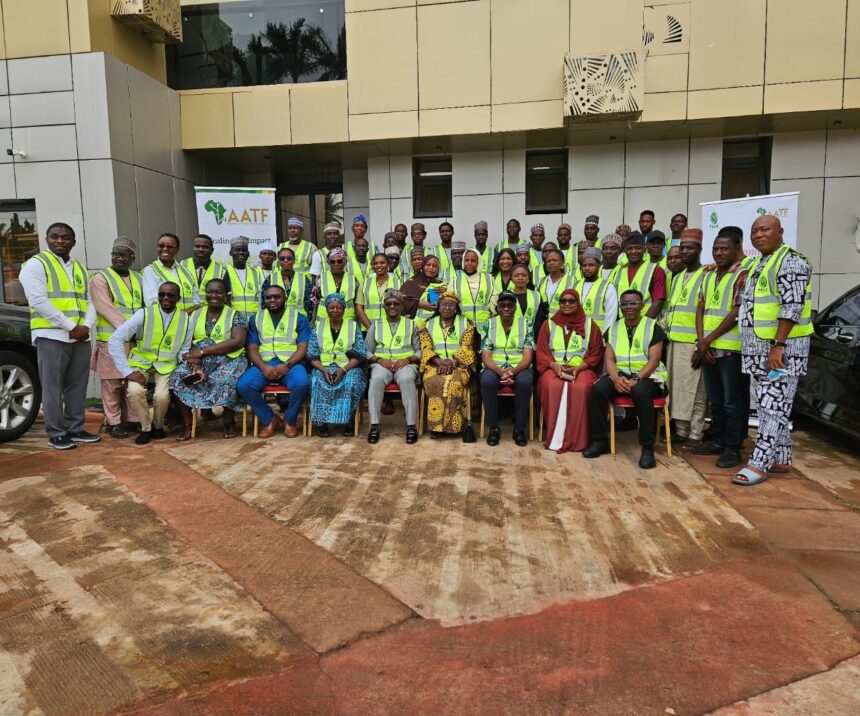
Agro-dealers across Nigeria have undergone intensive, specialized capacity-building workshops designed to accelerate ethical commercialisation, marketing, and distribution of TELA maize varieties.
The specialized three-day training sessions convened by the African Agricultural Technology Foundation (AATF) this week in Kaduna is a core pillar of its strategic initiative to scale biotechnology solutions across Sub-Saharan Africa. The curriculum equipped nationwide distributor networks with deep competencies across critical domains, including biotechnology awareness, standardized product handling, regulatory compliance, seed stewardship, and evidence-based farmer engagement methodologies.
In a keynote presented on the titled “From Innovation to Impact: The TELA Maize, Dr. Sylvester Oikeh, AATF Consultant on the TELA Maize Project, detailed the transformative potential of the crop, stressing its structural capacity to mitigate the twin hazards of devastating insect pest pressure, specifically Fall Armyworm and stem borers, and chronic drought-induced yield drops that are holding back Nigeria’s maize value chain.
Contextualizing current market dynamics, Mr. Olawale Ojo, AATF TELA Maize Market Development Manager, highlighted that escalating grain prices alongside severe climate shifts present an undeniable value proposition for adopting the hybrid varieties.
“Smallholder farmers require robust, high-performance tools to protect their livelihoods and maximize output. Agro-dealers function as the primary frontline conduits of this technology. Their direct educational interactions with farming communities are vital for ensuring timely, equitable access to certified premium seed stocks,” Ojo stated.
Realizing the genetic yield potential of these advanced crops demands meticulous adherence to international technical frameworks, says Dr. Kehinde Jimoh, AATF Seed Systems Specialist, who highlighted igeria’s leadership in regional biotechnology adoption, referencing the successful commercialisation of insect-resistant Bt cotton, Pod Borer-Resistant (PBR) Cowpea, and now TELA maize.
He reminded stakeholders that field success is explicitly tied to the integration of Good Agricultural Practices (GAP) across all production nodes.
Addressing long-term technology durability, Dr. Bernard Ehirim, AATF Stewardship Officer, outlined the mandatory operational rules designed to mitigate risk and maintain product efficacy over time. These include standard Insect Resistance Management (IRM) protocols, detailed product traceability tracking, robust inventory record-keeping, and proactive field-monitoring systems to quickly identify any early signs of target-pest resistance breakdown.
The workshop recognized that pervasive misinformation remains a primary barrier to the widespread adoption of agricultural biotechnology. In response, participating agro-dealers formulated comprehensive post-training deployment frameworks to transition knowledge into market impact by mastering the agronomic profiles and ecological suitability of all four unique approved TELA maize varieties, Compliant Marketing, which involves committing to strict adherence regarding officially verified product claims and regulatory messaging, embedding standard Good Agricultural Practices (GAP) advisory notes directly into every point-of-sale farmer transaction, and upgrading storage facilities to satisfy strict national biosafety regulations while improving product traceability safeguards.