By Onche Odeh
In the quiet corners of motor parks, outside neighborhood kiosks, and even within the “safe” confines of family gatherings, a silent epidemic is pouring into the glasses of Nigeria’s youth. While alcohol has long been woven into the country’s social fabric, a landmark national survey reveals a grim reality; The barrier between minors and alcohol has become dangerously thin.
A study conducted by the Distillers and Blenders Association of Nigeria (DIBAN) in collaboration with the National Agency for Food and Drug Administration and Control (NAFDAC) paints a sobering picture of easy access, social complicity, and the lethal convenience of the “sachet” culture.
The numbers are more than just statistics; they are a loud distress signal. Surveying 1,788 respondents across six states, including major hubs like Lagos, Kaduna, and Rivers, the research found that beyond just being available, minors are actively seeking it out alcohol.
The Statistics show that 54.3% of minors (under 13) and underage teenagers (13–17) are purchasing alcohol for themselves. Further findings have also revealed that they are not waiting for adults to provide it. They are walking straight to retailers and pulling out their own money to purchase them.
The study identifies a multi-pronged failure in the gatekeeping of alcoholic substances. While commercial retailers play a primary role, the domestic circle is heavily implicated. This is is reflected in the outcome of the survey, which revealed that 49.9% of children access alcohol through friends and relatives; 45.9% encounter it at social gatherings like weddings, parties, and festivals, while 21.7% find it right at home, sitting unprotected in their parents’ cupboards.
The Sachet Menace: Convenience at a Price
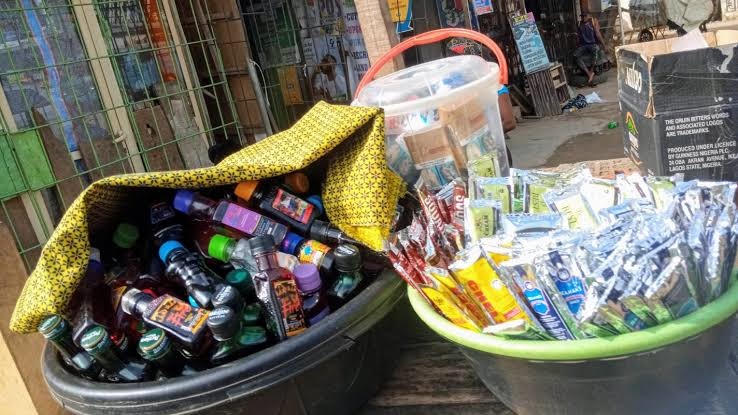
Perhaps the most critical takeaway from the DIBAN/NAFDAC report is the role of commercial packaging. The plastic sachet and the small PET bottle have become the preferred vehicles for underage drinking.
Because they are cheap, pocket-sized, and easily concealed in a schoolbag, these formats effortlessly bypass traditional “liquor store” scrutiny. In Rivers State, a staggering 68% of alcohol procurement by minors involves these small sachets.
While the majority of minors are “occasional” drinkers, a terrifying subset is falling into the trap of daily dependency. The survey found that 9.3% of children under 13 and 25.2% of teenagers (13–17) are consuming alcohol every single day.
| Demographic Trends in Sachet Procurement | Percentage |
| Male Minors | 51.4% |
| Female Minors | 41.5% |
| Rural Areas (where regulatory oversight is thinnest) | 50.1% |
The Toll on the Developing Mind and Body
When a quarter of the surveyed teenage population admits to daily consumption, the long-term public health implications shift from a future risk to an active national emergency. Chemically and structurally, a child’s body reacts to alcohol in ways far more destructive than an adult’s.
The human brain undergoes a massive remodeling process that isn’t fully complete until around age 25. Introducing a powerful central nervous system depressant like alcohol during this critical window causes severe disruptions:
Stunted Memory: Heavy adolescent drinking can literally shrink the growth of the hippocampus—the region responsible for learning and memory. This translates directly to poor school performance and learning deficits.
Blunted Judgment: Early alcohol exposure damages the prefrontal cortex (the “thinking brain”), which governs impulse control, planning, and weighing consequences.
Emotional Dopamine Crashes: Alcohol artificially floods the brain with dopamine. Over time, a child’s brain down-regulates its natural production. When they aren’t drinking, they experience chronic anxiety, depression, and severe irritability.
Liver Overload: An adult liver relies on mature, specific enzymes to break down toxins. In children, these metabolic pathways are underdeveloped. Frequent alcohol use forces the liver to work overtime, accelerating the risk of early-onset fatty liver disease and alcoholic hepatitis.
Endocrine Disruption: Alcohol interferes with the delicate endocrine system. In developing youth, this can disrupt growth spurts, compromise bone density, and alter regular menstrual cycles and reproductive hormone levels.
High Risk of Acute Toxicity: Because children frequently consume concentrated, high-proof spirits via cheap sachets, the risk of rapid, lethal alcohol poisoning is incredibly high.
Tightening the Tap

Prof. Mojisola Christianah Adeyeye, Director-General of NAFDAC, is clear on the solution. The findings suggest that the war against underage drinking cannot be won through classroom education alone; it requires a structural shift in how alcohol is manufactured and sold.
NAFDAC is pushing for a aggressive enforcement and policy changes, including:
Packaging Bans: Eliminating small pack sizes (sachets and bottles under 200ml) based on the reality that if a product cannot be easily hidden, it is much harder for a child to possess.
Point-of-Sale Crackdowns: Implementing stricter enforcement and penalties at bars, local kiosks, and motor parks.
Community Vigilance: Establishing a “raised alarm” policy that empowers parents, teachers, and religious leaders to actively police and report vendors selling to minors.
As Nigeria grapples with various socio-economic challenges, the health of its youth remains its most valuable currency. The DIBAN/NAFDAC survey is a stark reminder: if we do not regulate the bottle today, we will lose the generation of tomorrow.