


10 ventures selected to scale solutions for extreme heat across food and agricultural systems, healthcare, climate intelligence, and clean energy
As heat intensifies across Nigeria, a new cohort of ventures is developing solutions to protect crops, reduce food spoilage and livestock losses, and equip hospitals and outdoor workers to anticipate and withstand extreme conditions.
To this effect, BFA Global, FSD Africa, ClimateWorks Foundation, and the UK’s Foreign, Commonwealth & Development Office (FCDO) Nigeria have selected 10 early-stage ventures to join the inaugural cohort of the TECA Heat Action Wave (THAW) program focused on accelerating solutions to extreme heat.
Selected from a competitive pool, the ventures will each receive $56,000 in funding along with hands-on venture-acceleration support, including user validation, product development, business model design, and investor readiness. Each team will work with embedded venture builders and technical experts to accelerate their path to scale. Six of the ten selected ventures have a female co-founder.
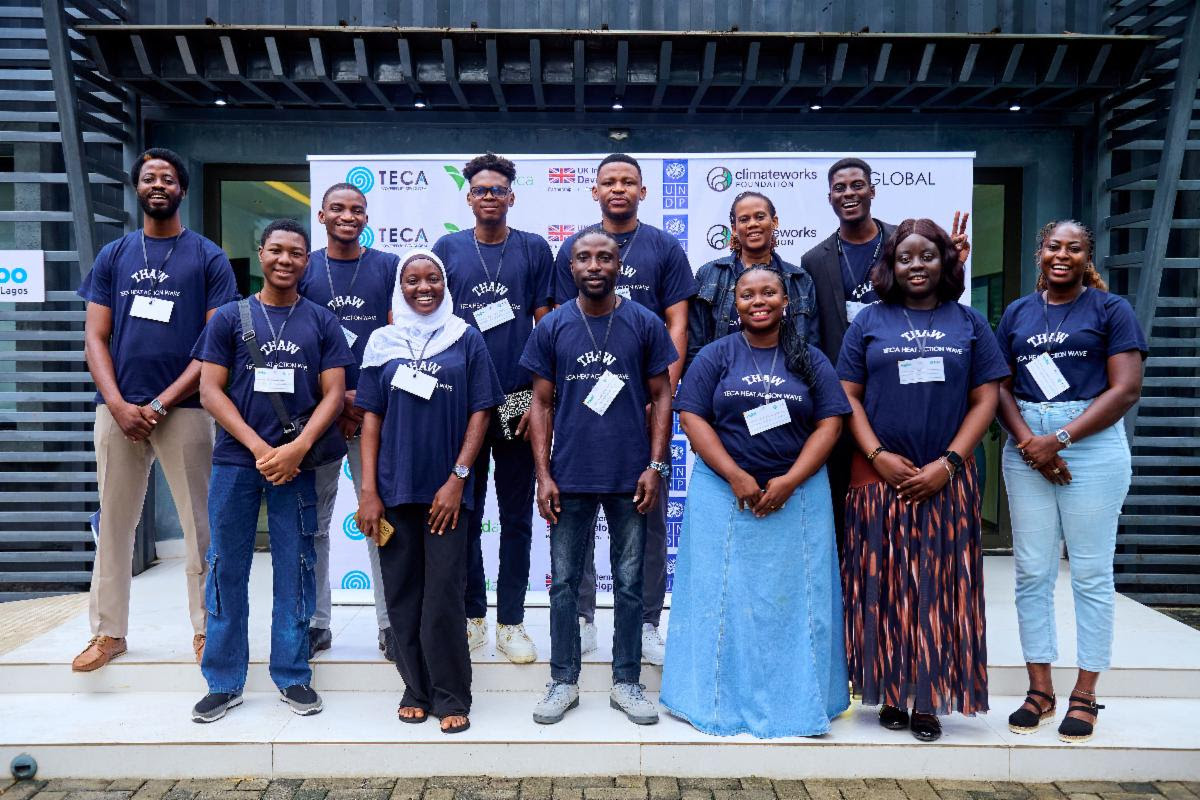
The selected ventures focus on using technology and climate-smart solutions to reduce the impact of extreme heat across agriculture, healthcare, and daily livelihoods. Several startups, like Ofemini, Farmxic, Farmslate, and Agiletech, provide data-driven platforms (AI, satellite insights, and early-warning systems) that help farmers anticipate heat risks, protect crops, and improve decision-making. Others, such as Doorcas Africa and Farm Fresh Grocery, address food security through livestock health monitoring and heat-adaptive agricultural practices.
In infrastructure and essential services, Emplaris and TheHyWing deliver predictive tools and digital health platforms to manage heat-related risks in hospitals and vulnerable populations. Let-It-Cold offers practical cooling solutions to preserve perishable goods despite unreliable power, while Pod focuses on climate-resilient sanitation systems.
Overall, these ventures combine AI, clean energy, and climate intelligence to improve resilience, reduce losses, and safeguard health and productivity in heat-affected environments.
Together, they are set address some of the most immediate and under-addressed impacts of extreme heat across Nigeria, including food spoilage and cold chain gaps, heat-induced soil degradation and crop stress, livestock disease and productivity loss, health risks for outdoor workers, and system failures in energy, healthcare, and sanitation infrastructure. They range from early-stage concepts to minimum viable products, reflecting both the urgency of the problem and the early development of solutions in this emerging space.
According to a statement jointly approved by BFA Global, FSD Africa, ClimateWorks Foundation, and the UK’s Foreign, Commonwealth & Development Office (FCDO) Nigeria that announced the selections, the cohort reflects a growing innovation ecosystem across Nigeria, with ventures operating in multiple regions. The companies are based in Lagos, Kaduna, and Edo States. This geographic spread underscores the breadth of climate innovation emerging across the country and reinforces TECA’s commitment to supporting founders building locally relevant solutions nationwide.
“Extreme heat is rapidly becoming one of the biggest operational risks facing African economies, yet it remains dramatically underinvested,” said Tyler Ferdinand, TECA Director at BFA Global.
“Through TECA’s Heat Action Wave, we’re backing entrepreneurs building the tools, services, and financial products that will allow people, businesses, and cities to function in a hotter world. Our goal is not only to support these ventures but to prove that climate adaptation can become a powerful new investment frontier.”
Juliet Munro, Director, Early Stage Finance, at FSD Africa, said: “If climate adaptation finance is going to scale in Africa, it has to be grounded in real, investable solutions. This group of innovators tackling extreme heat is important because it shows what those solutions look like in practice, and that’s what gives markets the confidence to follow. At FSD Africa, our role is to help turn early innovation like this into something markets can actually back.”
“The cost of inaction on climate change is growing, as over 70% of workers around the world are at risk from deadly extreme heat. At the same time, momentum for adaptation is growing, as we see both more funding and more innovation. These new business ventures are strong, community-led solutions that can accelerate resilience in Nigeria and more broadly in the West African region,” said Jessica Brown, Senior Director of Adaptation and Resilience at ClimateWorks Foundation.
“Responding to climate change is central to Nigeria’s future growth and resilience. The UK is excited to support this cohort of ambitious Nigerian businesses developing transformative solutions to extreme heat. TECA’s Heat Action Wave is part of a broader UK partnership with Nigeria that backs private sector–led innovation, creates jobs, and drives shared prosperity for both our countries as we transition to a greener economy,” said Temi Akinrinade, Foreign, Commonwealth & Development Office, Nigeria.
The program will run through 2026, culminating in demo days and investor engagement opportunities, with follow-on support available for top-performing ventures.