

By Onche Odeh
When Professor Rebecca Ndana planted TELA maize on her farm in 2024, she knew she was growing more than a new crop. She was putting her scientific reputation and her personal convictions to the test.
As a distinguished Professor of Biology and researcher at the University of Abuja, Professor Ndana, who currently heads the Department of Plant Science and Biotechnology at the same institution had spent years studying agricultural biotechnology. As a farmer, she also understood the harsh realities of battling drought, insect infestations, and rising production costs. For her, the decision to cultivate Nigeria’s first genetically modified maize variety therefore came not from theory, but from confidence in decades of scientific research and her own understanding of the technology.
Yet she also knew that beyond the boundaries of her farm, many Nigerians remained deeply suspicious of Genetically Modified Organisms (GMOs). To some, they represented unknown health risks. Others believed they damaged the environment or threatened traditional farming systems.
For Professor Ndana, these fears mirror the public response that has greeted many transformative innovations before they became part of everyday life.
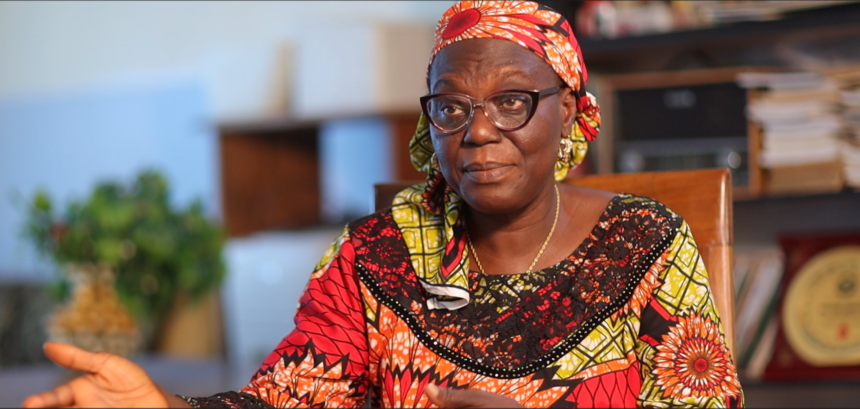
“Across the world, emerging technologies, from mobile phones and artificial intelligence to renewable energy and biotechnology, have often faced resistance before eventually gaining public acceptance. Nigeria has experienced this pattern firsthand,” she stated during her interview on a recent radio programme on biotecnolgy.
“When 5G technology was introduced, many people feared it would cause serious health problems,” Professor Ndana recalled the negative narratives that trailed the introduction of 5G technology services in Nigeria.
“Today, millions use it every day without incident. New technologies often face skepticism, which is why decisions should be guided by evidence rather than fear,” she said, adding that agricultural biotechnology deserves to be judged by the same standard.
Meanwhile, Professor Ndana argues that while questions about genetically modified crops are both legitimate and necessary, many of the fears surrounding them are driven more by misinformation than by scientific evidence.
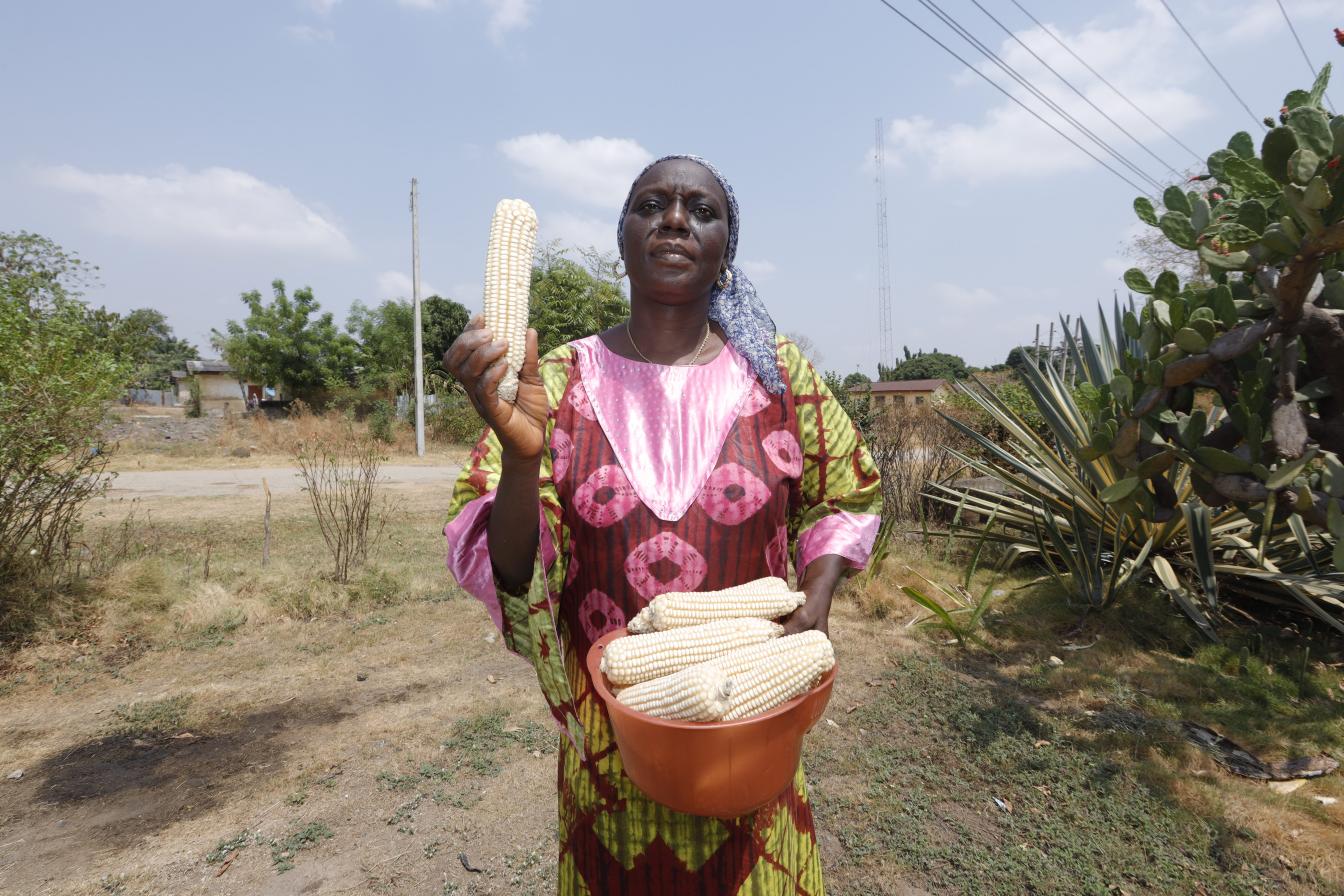
Unlike many voices in the GMO debate, she speaks from both the laboratory and the field. Since the commercial release of TELA maize in Nigeria in 2024, she has cultivated the variety on her farm, supervised student research involving the crop, and plans to continue growing it.
Her practical experience, she says, has reinforced what scientific studies have consistently demonstrated.
On the common misconception that genetically modified crops can be identified simply by their appearance, Professor Ndana said, “People sometimes assume that a larger maize cob automatically means it is genetically modified. That is incorrect. TELA maize, for instance, looks just like conventional maize. Without laboratory analysis or certified seed information, you cannot identify a genetically modified crop simply by looking at it.”
She also dismisses claims that GMOs, like TELA maize, the Pod Borer Resistant (PBR) Cowpea and others introduced in Nigeria damage soil fertility.
Drawing on her own farming experience, Professor Ndana explained that she successfully cultivated cowpea after harvesting TELA maize on the same land and expanded production the following season without observing any decline in soil productivity. More importantly, she noted that reduced insecticide applications associated with insect-resistant maize can lessen the environmental burden of chemical pest control.
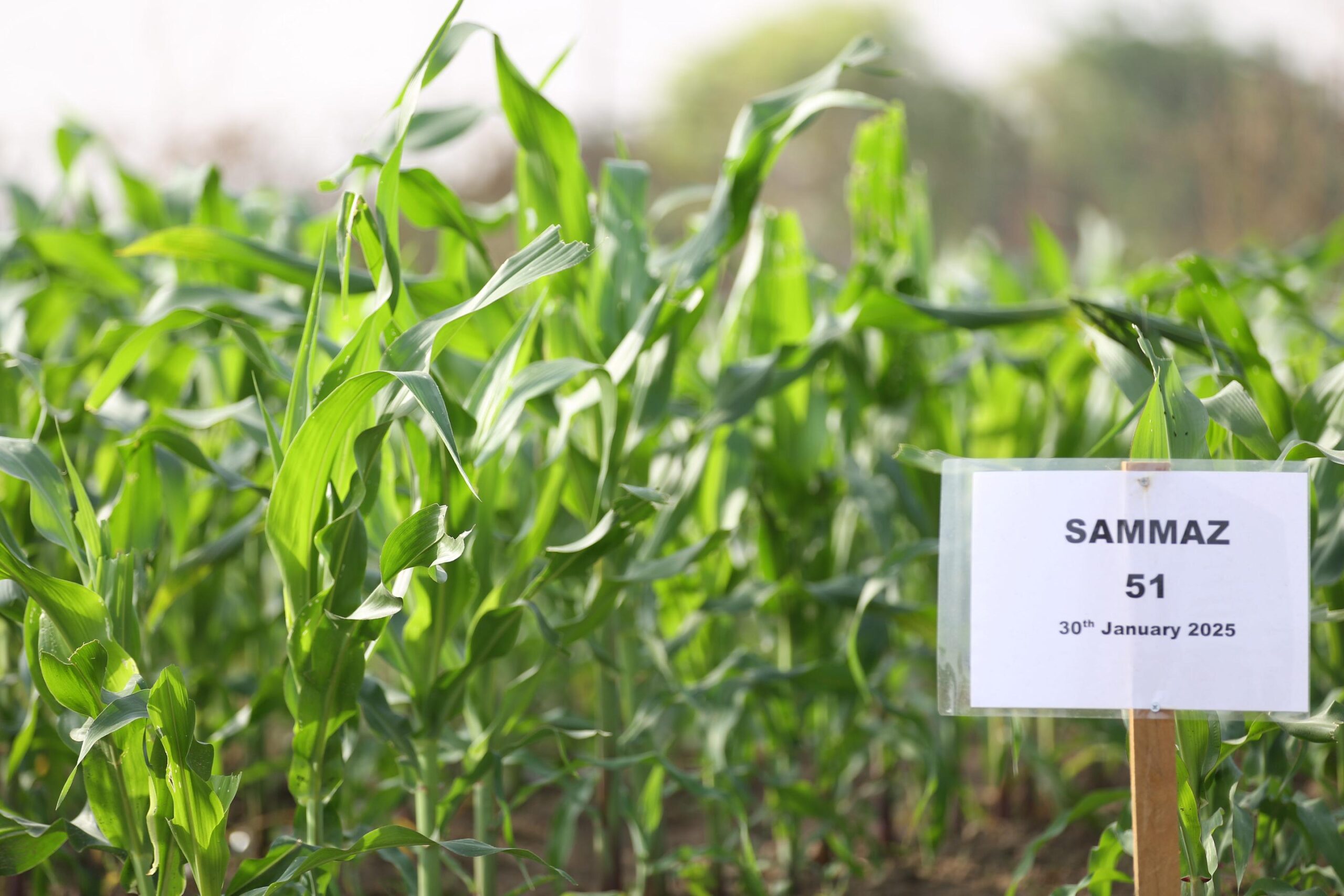
Questions about food safety remain among the most common concerns raised by consumers. Professor Ndana addressed this saying every genetically modified crop approved for cultivation in Nigeria undergoes extensive scientific evaluation before reaching farmers.
“These assessments, coordinated by the National Biosafety Management Agency (NBMA), examine food safety, nutritional composition, allergenicity, environmental impact, and animal feed safety through a multidisciplinary review involving experts from several scientific fields. TELA maize passed all the required assessments before approval,” she said.
According to her, “Scientific studies have shown that TELA Maize is nutritionally comparable to conventional maize, differing only in the traits introduced to improve resistance to insect pests and drought.”
While she noted that her own family has consumed TELA maize since its release without experiencing adverse effects, she emphasized that confidence in the crop should rest on scientific evidence and regulatory evaluation rather than individual experience alone.
She also cautioned against claims linking recently introduced genetically modified crops to chronic diseases without credible scientific evidence.
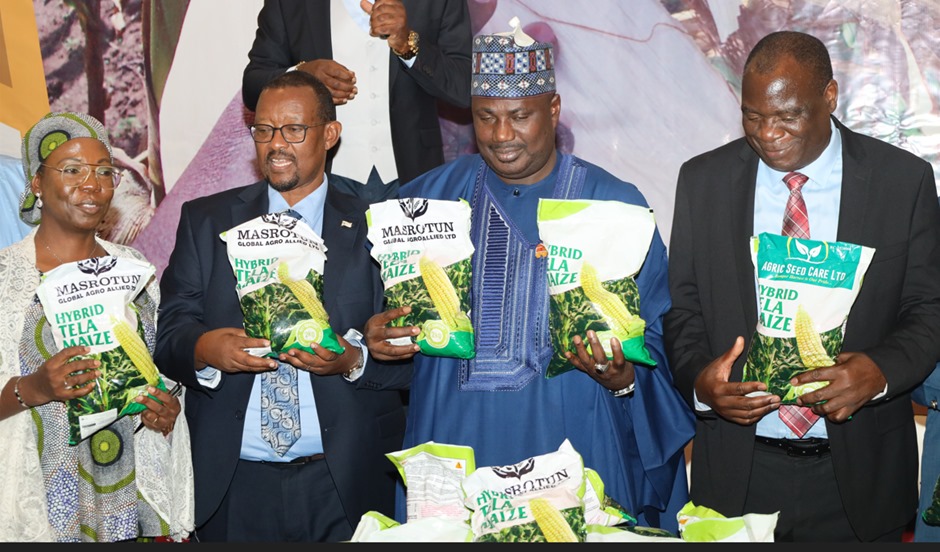
From an agricultural perspective, Professor Ndana believes the greatest value of TELA maize lies in its practical benefits for farmers. Developed by the Institute for Agricultural Research in collaboration with the African Agricultural Technology Foundation, the variety combines resistance to stem borers and fall Army Worm with improved tolerance to drought stress.
Researchers involved in the project report that these traits can substantially reduce crop losses and decrease reliance on repeated pesticide applications, helping farmers lower production costs while improving productivity under increasingly difficult growing conditions.
Professor Ndana also addressed another common misconception, that harvested TELA maize seed cannot be replanted. She explained that farmers can replant harvested seed, although, as with many improved crop varieties, performance may decline in subsequent generations. For this reason, she said certified seed is generally recommended to ensure maximum yield potential and maintain varietal purity.
For Professor Ndana, the greatest challenge facing agricultural biotechnology in Nigeria is not the science itself but public understanding of it.
She expressed believes that building confidence in GMOs requires sustained public engagement, transparent regulation, and effective science communication that enables citizens to distinguish verified evidence from misinformation.
As Nigeria searches for sustainable solutions to food insecurity, climate change, and rising production costs, biotechnology is likely to play an increasingly important role in the future of agriculture. Whether it realizes its full potential, Professor Ndana argues, will depend not only on continued scientific innovation but also on the nation’s willingness to judge new technologies by evidence rather than fear.