

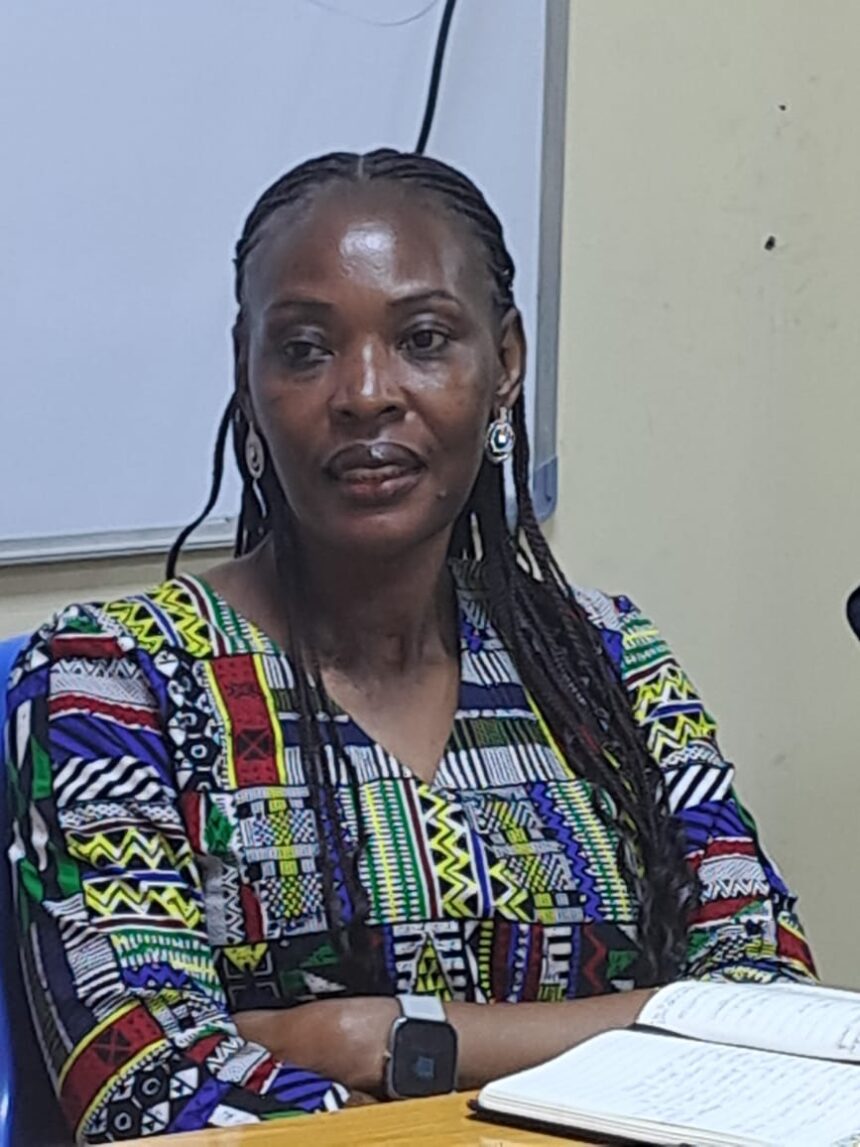
Nigeria’s vast land resources may be the hidden reason farmers in the country are getting little from their farms, Sylvia Kyeyune, Vice Chairman of the the African Agricultural Technology Foundation (AATF) Board has revealed.
Although, the size remains a major asset, the AATF Board Vice Chairman says it has also encouraged a mindset that tolerates low productivity, as farmers can plant large areas even with modest yields per acre.
Kyeyune, who led a high-powered delegation on a visit to Kaduna State recently, consequently advised that Nigerian farmers must adopt technology based options like a shift from open-pollinated variety seeds to hybrid varieties such as Tela maize to cut production costs and strengthen the country’s food security.
“You’re assuming that you have a lot of land and therefore productivity is not a very big deal. Someone can produce very little on a very large portion of land because they have the big land. But a country that has very small land must maximize the yield per acre… so in Nigeria because you have big land you somehow overlook productivity. That is why you end up using low yielding open pollinated varieties,” she said.
She further explained that hybrid seeds like Tela maize can deliver three to five times the yield currently obtained from OPVs, adding also that using the same labour, land, and inputs to harvest far more output makes better economic sense.
While some farmers consider hybrid seeds expensive, Kyeyune argued that they are actually cost-effective when the benefits in higher harvests are taken into account, citing insufficient awareness among farmers about these gains as the real challenge.
To achieve the needed change, she called for a united effort involving all stakeholders, saying, “We are not going to do it alone as AATF. This is a collaborative effort. We need the farmers on board. We need the seed companies. We need the regulators, the inspectors. We need the marketers. Everybody needs to come together.”
She disclosed that the foundation is already rolling out demonstration farms where farmers can see the superior performance of Tela maize for themselves, including through free seed samples distributed to many growers.
“AATF is also organising training seminars, running radio campaigns, and working with extension agents from the ministry to ensure farmers receive accurate information, while engaging policymakers to advocate for stable market prices and reliable markets so that farmers who invest in hybrid seeds are assured of good returns at harvest and are not discouraged by price fluctuations,” Sylvia Kyeyune said.
She stressed that these combined efforts in awareness, education, and policy support are essential to shift mindsets and unlock Nigeria’s agricultural potential.